Whatspp/Phone:
+8618666402929
Email:info@shinysteeljewelry.com
Factory address:
No. 5 Changsheng Road, Chang’an Town, Dongguan City, Guangdong Province, China.
 Skip to content
Whatspp/Phone:
+8618666402929
Email:info@shinysteeljewelry.com
Factory address:
No. 5 Changsheng Road, Chang’an Town, Dongguan City, Guangdong Province, China.

I’ve learned the hard way that you can’t find a reliable jewelry manufacturer if you don’t know exactly what you’re looking for. Before you hit Alibaba, you must define your technical requirements. China is a massive market, and factories specialize deeply. If you approach a high-end silver factory asking for cheap alloy pieces, you’re wasting everyone’s time.
The material dictates your price point, durability, and target audience. Most jewelry providers in China focus on one of three core metals:
| Material | Pros | Cons | Best For |
|---|---|---|---|
| Stainless Steel | Tarnish-free, waterproof, extremely durable. | Harder to achieve intricate detail. | Everyday wear, fitness brands. |
| 925 Sterling Silver | High perceived value, hypoallergenic. | Prone to oxidation, higher cost. | Premium/Luxury boutiques. |
| Brass/Copper | Very affordable, easy to mold. | Can cause skin greening if not plated well. | Fast fashion, high-volume trends. |
Deciding between OEM jewelry factory services and ODM is the difference between being a designer or a curator.
Minimum Order Quantity (MOQ) is the biggest hurdle for new entrepreneurs. You need to align your budget with the factory’s production scale:
I always tell my clients: Don’t compromise on your niche. If you want to be a stainless steel jewelry supplier, don’t let a factory talk you into brass just because the MOQ is lower. Stick to your specs, or your brand will suffer the consequences of inconsistent quality.
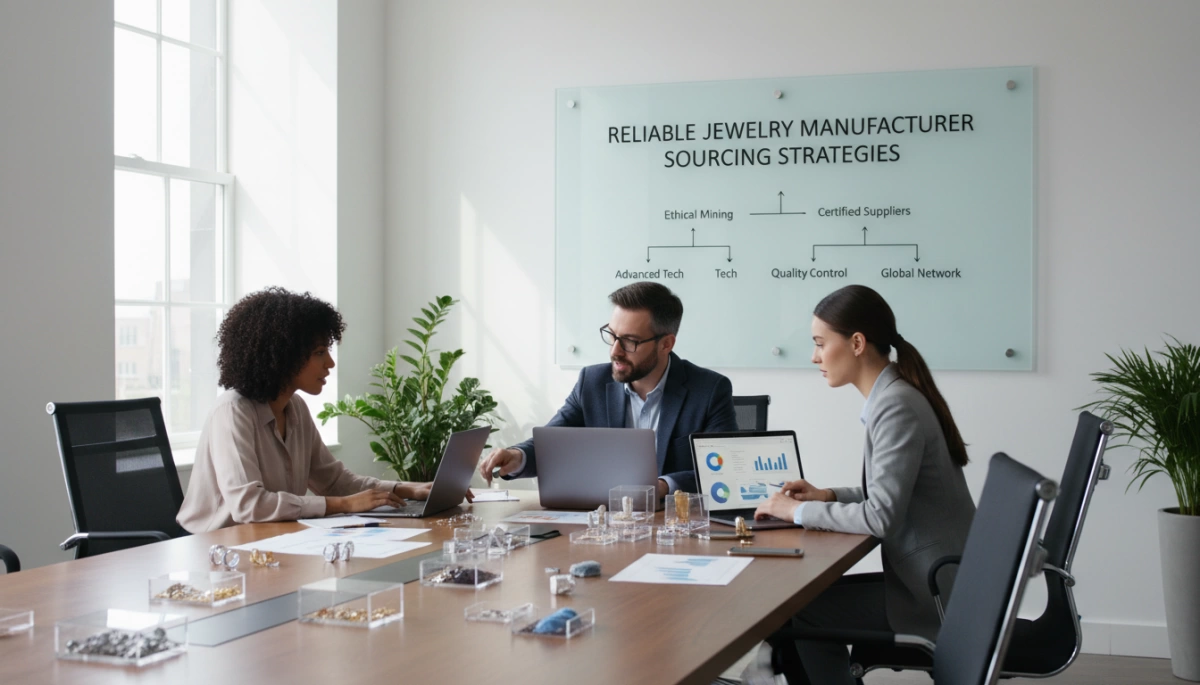
Finding a reliable jewelry manufacturer requires a strategic approach that combines digital tools with traditional networking. I have found that the most successful brands don’t rely on a single source; they diversify their search to cross-reference factory reputations and capabilities.
Alibaba remains the powerhouse for identifying Alibaba jewelry vendors, but you have to know how to filter the noise. To find the real players, I always look for “Verified” status and “Pro” badges, which indicate a higher level of third-party inspection. Global Sources is another excellent alternative, often hosting more established manufacturers that cater specifically to the Western market. When browsing these platforms, I prioritize companies that showcase specific expertise, such as a dedicated custom stainless steel pendants manufacturer, rather than generalists who sell everything from plastic toys to fine gold.
If you want to move beyond basic wholesale jewelry suppliers, attending major trade shows is the most effective way to verify a factory’s quality in person.
For those who cannot travel or are managing complex orders, a sourcing agent in China acts as a vital bridge. They handle the language barrier, navigate cultural nuances, and perform on-site factory visits that you can’t do from behind a screen. They are particularly useful when you need to source specific components, such as high-quality custom jewelry clasps, from specialized sub-contractors.
If you prefer a more direct approach, don’t overlook LinkedIn and Google Maps. Many modern Chinese factories now employ English-speaking sales teams who are active on LinkedIn. By searching for “Jewelry Factory Manager” or “Sales Director” in regions like Panyu or Dongguan, you can often bypass trading companies and speak directly to the people running the production lines. This direct search method often leads to better pricing and more transparent communication regarding lead times and material certifications.
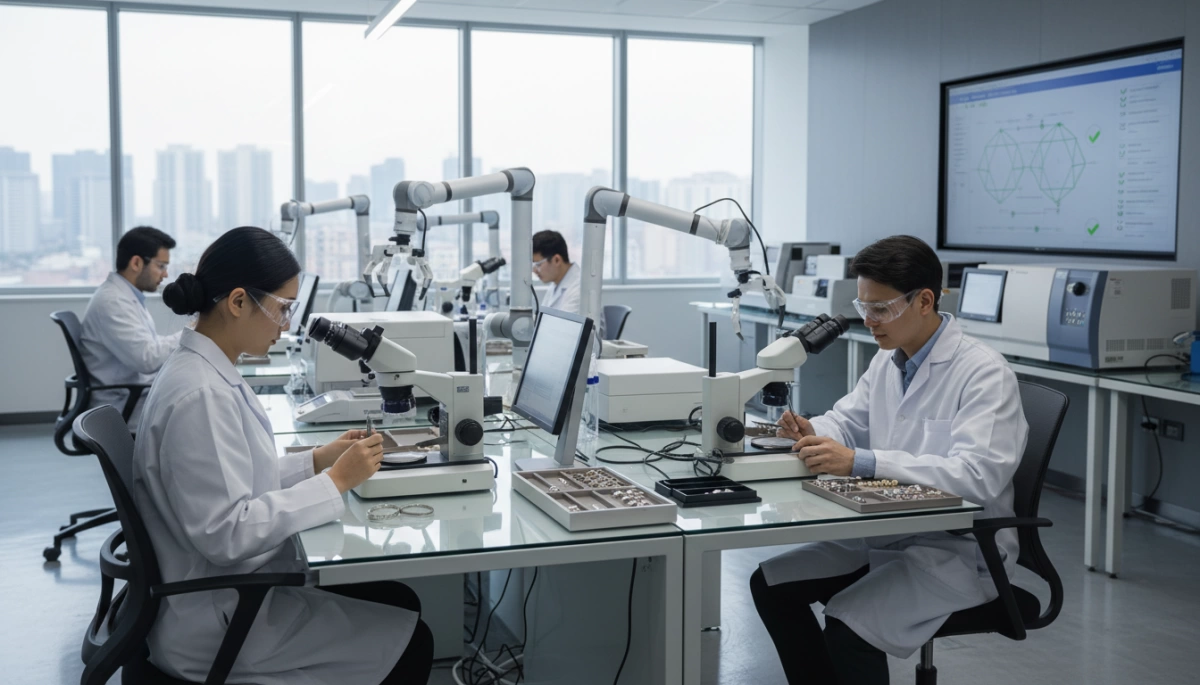
When you are learning how to find a reliable jewelry manufacturer in China, the biggest hurdle is weeding out the middlemen. Trading companies often pose as factories to add a markup to your costs and complicate communication. I always start by verifying their Business License. A legitimate OEM jewelry factory will have “Manufacturing” or “Processing” listed in its official business scope, whereas a trader will likely only list “Sales” or “Wholesale.”
I prioritize working with a sustainable jewelry manufacturer that can provide third-party audit reports. These documents are the fastest way to verify a supplier’s legitimacy and ethical standing.
A factory’s response time and technical depth tell you everything you need to know. When I vet a new partner, I ask specific questions about the production process, such as the nuances of the PVD gold plating process or the limitations of certain mold designs.
A direct manufacturer will provide technical answers immediately because they live and breathe production. A middleman will often give vague answers or tell you they need to “check with the workshop,” causing delays that can derail your production timeline. I look for partners who demonstrate high-level technical knowledge and offer proactive solutions to design challenges during the initial chat.
| Feature | Professional Factory | Trading Company |
|---|---|---|
| Product Range | Highly specialized (e.g., only stainless steel) | Broad and unrelated categories |
| Technical Knowledge | Deep understanding of materials and machinery | Surface-level sales talk |
| Pricing | Lower, factory-direct rates | Higher, includes a commission |
| MOQ Flexibility | Higher, but negotiable for long-term partners | Often lower to attract small buyers |
| On-site Photos | Features machinery, raw materials, and workers | Features finished products in a showroom |
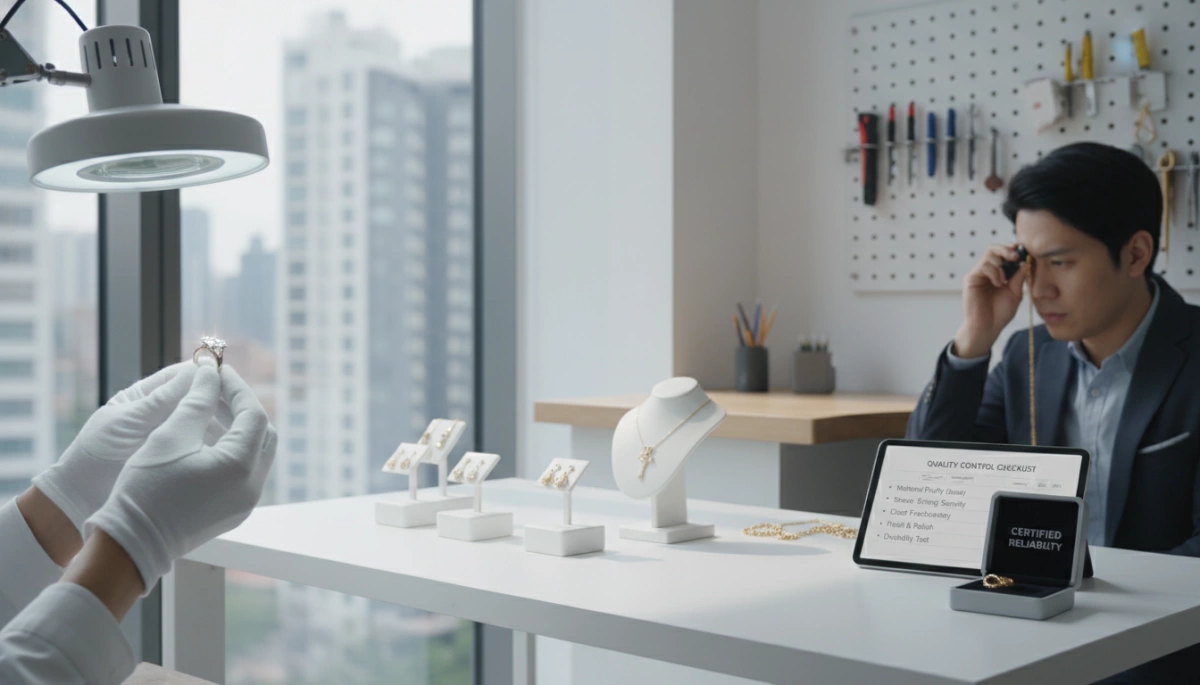
I never move to mass production without a physical prototype. The “Sample First” rule is the only way to verify if a factory actually understands your technical drawings and quality expectations. Skipping this step is the fastest way to end up with a shipment of unsellable goods. During the sampling phase, I focus on four critical areas to ensure the jewelry meets US market standards.
The US market has strict regulations regarding heavy metals. You must confirm that every piece is lead-free and nickel-free. I always request documentation for REACH and RoHS compliance to ensure the materials won’t cause skin irritation or fail customs inspections.
For those working with a stainless steel jewelry supplier, the plating method is everything. I look for the PVD plating process (Physical Vapor Deposition) because it provides a much thicker, more durable finish than traditional electroplating. To test this, I perform “wear tests” on samples to check for:
A reliable partner should offer comprehensive custom jewelry manufacturing services, including laser logo engraving and bespoke packaging. High-quality branding elevates the perceived value of your product. For example, when developing custom enamel jewelry, the precision of the enamel fill and the crispness of the engraved logo are the primary indicators of a factory’s craftsmanship.
Negotiating with a jewelry manufacturer requires a clear understanding of where your money is going. In China, pricing is rarely a mystery; it is typically broken down into raw material costs, labor for polishing and assembly, and the specific customization options for stainless steel jewelry you choose. I always insist on a transparent quote to ensure I’m not overpaying for “perceived value” rather than actual production costs.
When learning how to find a reliable jewelry manufacturer in China, never overlook payment security. For your first few orders, I strictly recommend using Alibaba Trade Assurance or PayPal. These platforms provide a safety net if the goods don’t match the agreed-upon quality or if the factory fails to ship. I avoid direct bank transfers (T/T) for the full amount until I have built a high level of trust over several successful production cycles. Typically, a 30% deposit and 70% balance after inspection is the industry standard.
A handshake deal isn’t enough when your brand’s reputation is on the line. I always draft a basic Manufacturing Agreement to protect my interests. This document should clearly outline:
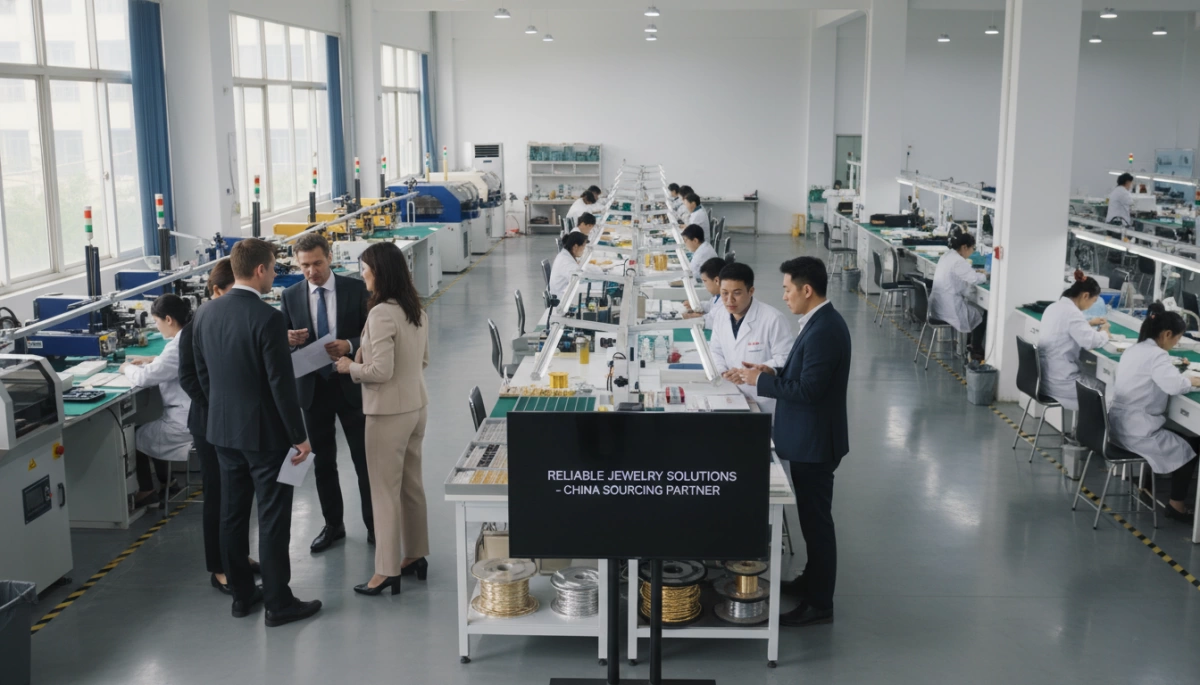
Managing quality control and logistics is the final hurdle in ensuring your investment pays off. When working with a jewelry china manufacturer, you cannot rely on trust alone; you need a systematic approach to verify the goods before they leave the factory floor.
Never authorize the final payment until a quality control inspection is completed. I highly recommend hiring third-party agencies like QIMA or V-Trust to perform a pre-shipment inspection (PSI). These inspectors visit the factory to check:
The weight and value of your order will dictate your logistics strategy. For most jewelry brands, speed and security are the priorities.
| Shipping Method | Best For | Transit Time | Cost Level |
|---|---|---|---|
| Air Express (FedEx/DHL/UPS) | Small to medium batches, high-value items | 3–7 Days | High |
| Air Freight | Bulk shipments over 100kg | 7–12 Days | Medium |
| Sea Freight | Massive volume, low-value displays or packaging | 30–45 Days | Low |
For high-turnover items like steel rings for men, Air Express is usually the standard to keep inventory levels stable without long lead times.
When importing jewelry into the United States, you must account for HTS (Harmonized Tariff Schedule) codes. Most fashion jewelry falls under specific categories that incur duties ranging from 0% to 20% depending on the material.
I always verify a supplier by checking their business license and “Verified” status on B2B platforms. A real factory will have a physical address you can verify on Google Maps and will be happy to jump on a live video call to show you their production floor. Look for updated ISO9001 or BSCI audit reports to confirm they are legitimate reliable jewelry manufacturers and not just a small trading office.
For most custom jewelry manufacturing projects, the Minimum Order Quantity (MOQ) typically ranges from 50 to 100 pieces per design. If you are requesting specific custom molds or unique plating colors, the requirements might be higher. Knowing the technical details, such as the difference between 304 vs 316L stainless steel jewelry, can help you negotiate MOQs based on the factory’s existing material stock.
Design theft is a common worry, but you can mitigate risk by signing a China-specific NNN (Non-use, Non-disclosure, Non-circumvention) agreement. I suggest partnering with a specialized custom engraved jewelry manufacturer that has a reputation for protecting client IP. Additionally, registering your trademarks and design patents in both the United States and China provides a legal safety net.
I strongly advise against using direct bank transfers (T/T) for your first transaction with a new jewelry china manufacturer. It offers no protection if the goods don’t arrive or are defective. Use Alibaba Trade Assurance or PayPal for the initial samples and first bulk order. These platforms provide a dispute resolution process that protects your capital while you are still building trust with the supplier.